Santa Claus Christmas Deer Sleigh 273: A Designer's Real-World Review
When I first opened the file for Santa Claus Christmas Deer Sleigh 273, my immediate reaction wasn't about stitch counts or file formats. It was about the mood. There is a specific energy that a holiday design needs to carry, especially one featuring Santa and his reindeer. This piece feels less like a generic clipart and more like a scene captured in motion. The layout suggests movement, which is crucial when translating a digital image into physical thread. As someone who reviews embroidery designs daily for both personal craft projects and commercial small business lines, I look for designs that hold up under scrutiny. Santa Claus Christmas Deer Sleigh 273 passes the initial visual test with flying colors, offering a festive narrative that fits perfectly into the broader Winter Amp collection aesthetic.
First Impressions and Visual Personality
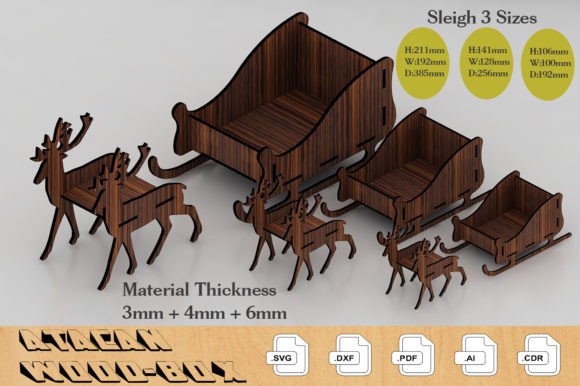
The strength of this design lies in its balance between detail and clarity. In the world of machine embroidery, too many tiny details can turn into a muddy mess after stitching, while too little detail makes a design feel flat. From what I can see in the preview, the sleigh and deer have distinct outlines that should translate well into satin stitches, giving them a polished, professional finish. The composition creates a natural focal point, making it ideal for centered placements on garments or home decor items.
It exudes a cozy, nostalgic vibe that resonates strongly with the holiday spirit. This isn't just a picture of Santa; it feels like a storybook moment. For designers looking to create a cohesive holiday line, this design offers a versatile foundation. Whether you are building a winter-themed shop or adding seasonal flair to an existing catalog, Santa Claus Christmas Deer Sleigh 273 provides the right amount of whimsy without overwhelming the viewer. It strikes a chord that appeals to both children and adults, a rare feat in holiday design assets.
Real-Life Application: The Custom Tote Bag Scenario
To truly understand how a design performs, we have to move beyond the screen and imagine it on fabric. Let's say I am preparing a custom embroidered tote bag for a local holiday market or an Etsy listing. My goal is to create a high-quality product that customers will want to carry throughout December. If I were to place Santa Claus Christmas Deer Sleigh 273 on a canvas tote, the design would likely dominate the front panel beautifully.
The horizontal nature of the sleigh scene works exceptionally well on wider fabrics like canvas or heavy cotton blends. Unlike circular designs that might get cut off on a rectangular item, this layout utilizes the width of the bag effectively. When stitched, the contrast between the dark thread used for the deer and the bright highlights on the sleigh would pop against a neutral background. However, if I were using a dark-colored bag, I would need to be strategic about the underlay and thread choices to ensure the lighter areas of the design remain visible. This scenario highlights why understanding the interaction between thread colors and fabric texture is vital before hitting the start button on the machine.
Performance Across Different Products
This design is not limited to just one type of merchandise. Its versatility makes it a strong candidate for various embroidery project categories. For instance, on a sweatshirt, the size of the design allows it to sit comfortably over the heart area or span across the back, creating a statement piece for holiday parties. On baby clothes, such as a onesie or a bootie set, the soft curves of the sleigh add a gentle touch that parents love.
I also envision this design performing well on kitchen towels and aprons. The festive theme aligns perfectly with holiday cooking sessions, and the sturdy fill stitches would withstand frequent washing better than some delicate lace-like patterns. For those selling embroidered patches, the clean outer edges of the sleigh make it easy to trim and apply to denim jackets or beanies. Even on pillow covers, where the design acts as a centerpiece, the balanced density ensures the pillow retains its shape without becoming too stiff or lumpy from excessive stitching.
Where Caution Is Required
Despite its strengths, no design is perfect for every situation. There are specific scenarios where Santa Claus Christmas Deer Sleigh 273 requires careful consideration. One major concern is the use of small hoop sizes. If you attempt to stitch this design on a very small surface, such as a standard cap brim or a tiny child's sock, the details may become compressed. The intricate parts of the sleigh runners or the facial features of the deer could lose definition if the available space is too restricted.
Additionally, textured or stretchy fabrics present challenges. While cotton and linen are generally forgiving, knits or fleece can distort the design if not stabilized properly. Without adequate stabilizer, the tension of the stitches might cause the fabric to pucker, ruining the smooth lines of the sleigh. Dark fabrics are another potential hurdle. If the design relies heavily on light-colored threads for shading, they might not show up clearly against a black or navy background. In these cases, testing a swatch is non-negotiable.
Finally, consider the longevity of the finished product. Items that require frequent washing, like dish towels or play clothes, need designs with robust stitch density. If the fill stitch areas are too loose, the design might look worn out after a few cycles. Conversely, if the density is too high, the fabric might become rigid and uncomfortable to wear. Finding that sweet spot is key to maintaining brand consistency and customer trust.
Practical Designer Notes for Success
Before committing this design to a final production run, there are several steps every designer should take. First and foremost, always test the design on scrap fabric that matches your intended material. This simple step reveals issues with thread tension, stabilizer choice, and color contrast that aren't visible on a computer screen. I recommend running a test in both light and dark variations to ensure the design has enough visual impact regardless of the base color.
Reviewing the stitch density is equally important. Check the areas where the design transitions from satin to fill stitches. Are there any gaps? Do the corners of the sleigh look sharp or rounded? Inspecting small details like the reins or the harness straps can save you from disappointing returns later. If you are planning to sell finished items, confirm the licensing terms immediately. Some digital embroidery files come with restrictions on commercial use, and violating these terms can lead to legal trouble down the road.
Using proper stabilizer is another critical factor. For a design with this much detail, a cut-away stabilizer often provides the best support, ensuring the design stays crisp even after multiple washes. Also, don't forget to check the hoop size requirements. Ensuring your machine can accommodate the full dimensions of Santa Claus Christmas Deer Sleigh 273 without needing to split the design (unless necessary) will save time and maintain quality.
Final Thoughts on Design Value
In conclusion, Santa Claus Christmas Deer Sleigh 273 is a compelling addition to any holiday collection. It offers a blend of charm and professionalism that elevates the perceived value of handmade products. Whether you are an Etsy seller looking to boost your seasonal sales or a hobbyist wanting to create unique gifts, this design delivers on its promise. It respects the medium of embroidery by balancing artistic vision with technical feasibility. By following practical testing protocols and choosing the right materials, you can transform this digital asset into a stunning finished product that brings joy to recipients and satisfaction to creators alike.