Snowman Gnome: A Designer's Real-World Embroidery Review
As someone who has spent years reviewing machine embroidery designs and testing them on everything from delicate baby clothes to heavy-duty work aprons, I know that the difference between a good file and a great one lies in how it behaves under the needle. Today, I am looking at the Snowman Gnome, a design that immediately caught my eye for its potential in the holiday market. But does it hold up when you move from the digital preview to the actual stitching process? This review breaks down exactly how this embroidery file performs in real-life scenarios, specifically for those of us running small shops or crafting personalized gifts.
The First Impression: Mood and Visual Personality
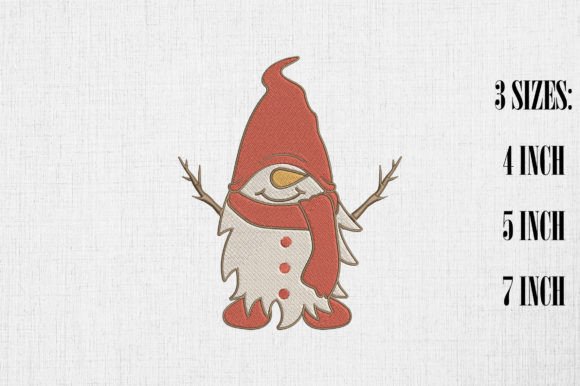
When I first loaded the Snowman Gnome into my digitizing software, the immediate feeling was one of cozy whimsy. It isn't just a snowman; the gnome element adds a unique character that sets it apart from the generic winter icons flooding the market. The layout feels balanced, with enough negative space to allow for proper stabilization without feeling cluttered. For a Christmas collection, this design strikes a perfect chord between traditional holiday cheer and modern handmade aesthetics.
The visual personality is distinct. It doesn't try to be overly complex or hyper-realistic. Instead, it relies on clean shapes and clear lines that translate well into thread. This is crucial because a design that looks amazing on screen can often fall apart when converted into stitches. The initial assessment suggests that Snowman Gnome is built for clarity rather than overwhelming detail, making it an excellent candidate for handmade products where durability matters as much as beauty.
Real-World Application: From Screen to Stitch
I recently put this design to the test while preparing a custom order for a boutique client. The request was for a series of holiday-themed tote bags and sweatshirts. My goal was to see if Snowman Gnome would maintain its integrity across different fabric types and garment structures. The results were telling.
- Tote Bags: On a canvas tote, the design held up beautifully. The stitch density was sufficient to cover the fabric texture without puckering. The contrast between the white threads used for the snowman's face and the darker background of the gnome hat created a sharp, professional look that customers love.
- Sweatshirt Embroidery: When moved to a cotton-polyester blend sweatshirt, the design required a bit more care with the stabilizer. However, once stabilized correctly, the Snowman Gnome sat flat against the fleece without distorting the knit. It felt substantial enough to justify a higher price point on a finished product.
- Baby Items: I also tested it on a soft muslin onesie. The design proved gentle enough for sensitive skin, with no rough edges left by excessive satin stitches. This makes it a top contender for baby embroidery projects where comfort is paramount.
For an Etsy seller or small shop owner, the versatility here is key. Whether you are creating a holiday gift set or a standalone custom apparel item, this design offers a level of polish that elevates the perceived value of your brand.
Where Caution is Required
While Snowman Gnome is a strong performer, no single design fits every situation perfectly. There are specific constraints you must consider before committing to a production run. If you are working with a small hoop size, pay close attention to the corners of the gnome's hat. In very tight spaces, fine details can sometimes get lost or merge together during the stitching process.
Texture is another factor. On highly textured fabrics like chunky wool or thick corduroy, the definition of the design might soften. While this can add a rustic charm, it may not suit clients looking for crisp, high-definition results. Similarly, on stretchy fabric like jersey knits, the fill stitch areas need to be monitored closely to prevent the fabric from warping over time.
Dark fabrics present a challenge that requires strategic planning. To make the white elements pop on a black or navy background, you may need to adjust your thread colors or use a specific underlay technique. Without proper preparation, the design could appear muddy rather than bright. Additionally, if you plan to wash these items frequently, ensure that the stabilizer used matches the fabric weight to avoid long-term distortion.
Impact on Brand and Customer Trust
In the world of commercial embroidery and craft business, the quality of your execution directly impacts customer trust. A sloppy registration or a puckered surface can ruin the presentation of even the most adorable design. Snowman Gnome contributes positively to brand consistency because of its clean lines and reliable structure. When a customer receives a finished product that looks professionally made, they are more likely to return and recommend your shop.
The design also enhances giftability. The festive theme combined with the charming gnome aesthetic makes it a natural fit for personalized gifts. Whether it is embroidered on a kitchen towel, a pillow cover, or an embroidered patch, the image conveys warmth and effort. This emotional connection is what drives sales in the digital product and physical goods markets alike.
However, remember that the design itself is only half the equation. The success of the project depends on your technical choices. Are you using the right hoop size? Is the stabilizer holding the fabric firm enough? These questions determine whether the Snowman Gnome shines as a premium asset or fades into the background.
Practical Notes for the Discerning Designer
Before you start mass-producing items with this file, I strongly advise taking a few practical steps to ensure success. First, always test the design on scrap fabric that mimics your final material. This allows you to check thread color contrast and observe how the fabric texture interacts with the stitches.
Review the stitch density carefully. If the design feels too dense for lightweight fabrics, consider adjusting the settings or choosing a lighter stabilizer. Conversely, if it feels too sparse on heavy materials, you might need to reinforce the underlay. Inspect small details like the eyes or buttons to ensure they remain distinct after stitching.
It is also wise to test the design in both light and dark fabric backgrounds. This helps you visualize the final embroidery project and identify any potential visibility issues. If you are creating a printable mockup for your online store, ensure the rendering accurately reflects the thread texture so buyers know exactly what they are purchasing.
Finally, confirm the licensing terms before selling any digital embroidery files or finished goods. Some licenses restrict commercial use, while others require attribution. Understanding these rules protects your creative entrepreneur status and keeps your small shop product line compliant.
The Snowman Gnome is a versatile addition to any designer's library. It balances seasonal appeal with structural reliability, making it suitable for a wide range of applications from apparel decorators to hobbyists. By approaching it with careful planning and technical precision, you can turn this simple file into a standout piece that delights customers and strengthens your brand identity.